

Understanding Peripheral Artery Disease and Its Impact on Diabetic Patients
By Chamith Abeyratne
Peripheral Artery Disease (PAD) is a common yet often overlooked condition that affects millions of people worldwide. It becomes especially concerning for individuals living with diabetes. If you or someone you know has diabetes, understanding PAD and how it affects foot health is crucial. This blog post will explain PAD in simple terms, describe its symptoms, and offer practical advice for managing foot health to prevent serious complications.
What is Peripheral Artery Disease and How Does It Relate to Diabetes?
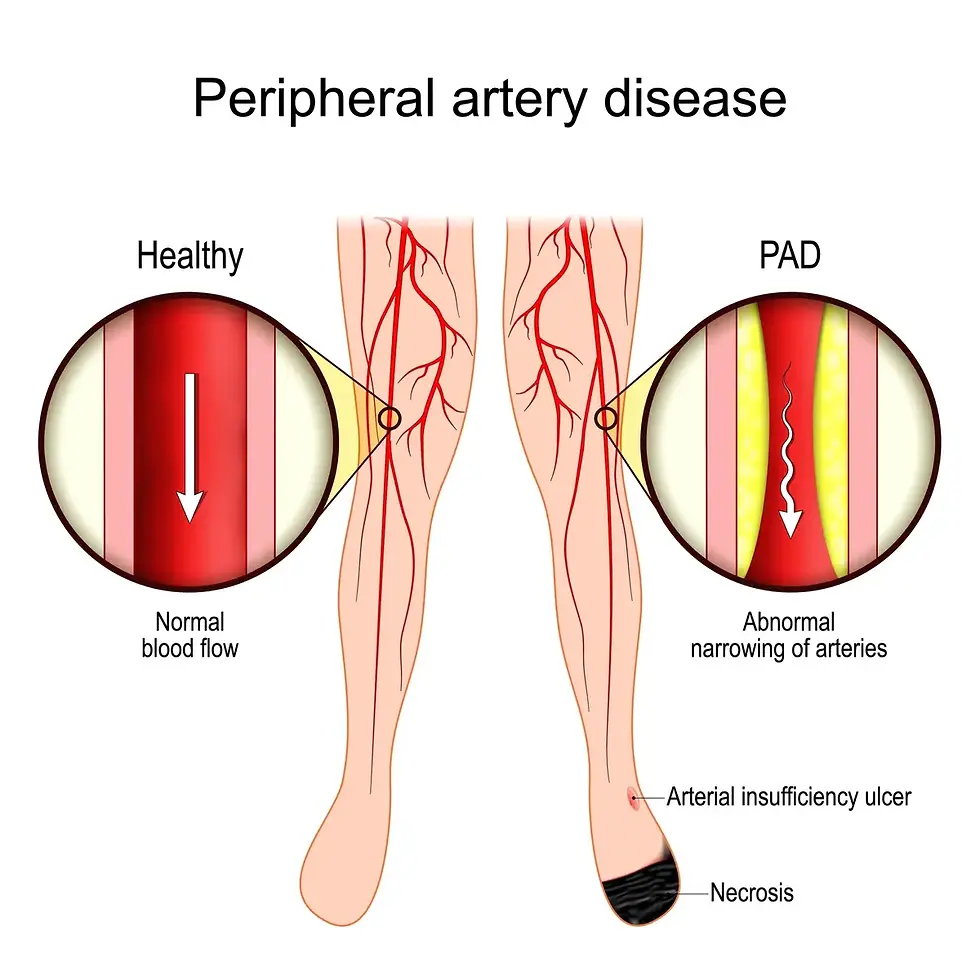
Peripheral Artery Disease happens when the arteries that carry blood to your limbs, especially your legs and feet, become narrowed or blocked. This narrowing is usually caused by a buildup of fatty deposits called plaque. When blood flow is reduced, your muscles and tissues don’t get enough oxygen and nutrients.
People with diabetes are at higher risk for PAD because high blood sugar levels can damage blood vessels over time. Diabetes also increases the chance of developing plaque in the arteries. This combination makes it harder for blood to reach the feet, which can lead to serious problems.
Common Symptoms of PAD and Their Impact on Daily Life
PAD symptoms can vary, but some common signs include:
Leg pain or cramping during walking or exercise, often called claudication
Numbness or weakness in the legs or feet
Coldness in the lower leg or foot compared to the other side
Sores or wounds on the feet that heal slowly or not at all
Changes in skin color or texture on the legs or feet
Weak or absent pulse in the legs or feet
Shiny or thin skin
Hair loss on legs and feet
These symptoms can make everyday activities like walking, standing, or even wearing shoes uncomfortable or painful. For diabetic patients, the risk is even greater because nerve damage (neuropathy) can hide pain signals, leading to unnoticed injuries.
Why Early Detection and Regular Foot Care Matter
Detecting PAD early can prevent complications such as infections, ulcers, or even the need for amputation. Regular foot care is essential for diabetic patients because:
Diabetes can reduce sensation, making it harder to notice injuries.
Poor blood flow slows healing.
Small cuts or blisters can quickly become serious infections.
Doctors recommend routine foot exams, especially for people with diabetes. This includes checking for changes in skin, pulses, and sensation. Early treatment can improve blood flow and reduce risks.
Practical Tips for Managing Foot Health with PAD
Taking care of your feet when you have PAD and diabetes involves daily habits and regular medical checkups. Here are some practical tips:
Inspect your feet daily for cuts, blisters, redness, or swelling. Use a mirror if needed.
Keep your feet clean and dry. Wash with warm water and mild soap, then dry thoroughly, especially between toes.
Moisturize your feet to prevent cracking, but avoid applying lotion between toes.
Wear comfortable, well-fitting shoes that protect your feet and reduce pressure points.
Avoid walking barefoot to prevent injuries.
Trim toenails carefully or have a healthcare professional do it.
Control blood sugar levels to reduce further blood vessel damage.
Quit smoking if you smoke, as it worsens blood flow.
Exercise regularly to improve circulation, but choose activities that do not cause foot injury.
See your healthcare provider regularly for foot exams and discuss any new symptoms immediately.
How We Assess Circulation at On Track Podiatry
At On Track Podiatry, we perform simple, non-invasive checks such as:
Palpating foot pulses
Assessing skin condition
Checking capillary refill (blood return)
Using Doppler ultrasound (if required)
If we suspect reduced circulation, we may refer you to your GP or specialist for further vascular testing.
Understanding the Bigger Picture
Managing PAD in diabetic patients is about more than just foot care. It involves controlling diabetes, maintaining a healthy lifestyle, and staying alert to changes in your body. With the right care, many people live active lives despite PAD.
If you notice any symptoms or have concerns about your foot health, don’t wait. Early action can save your feet and improve your quality of life.
At On Track Podiatry, we provide comprehensive foot assessments for patients. We focus on early detection, prevention, and long-term foot health — particularly for patients at higher risk.


Comments